How Do Scratch Cards Work?
Wondering how scratch cards work? Strip away the theme and every scratch card — a £2 National Lottery ticket or a studio-built online instant-win — runs on the same three steps. The details differ between paper and pixels, but the shape of the game doesn't.
1. Buy or select a stake
Pick up a paper card at a set price, or choose your stake for an online card within the range the casino offers — often from 10p upward.
2. Reveal the panels
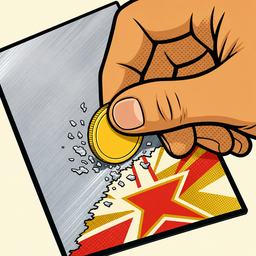
Scratch the coating off with a coin, or swipe/tap online — some sites offer an instant auto-reveal if you'd rather skip the animation.
3. Match & get paid instantly
Matching the winning combination pays a fixed prize on the spot. No draw, no waiting — you know the result the moment the panels are clear.
Physical cards
A paper scratch card — the National Lottery range being the best-known in the UK — has its prize structure and odds printed directly on the ticket or the operator's official rules page before you ever buy one. The coating is a genuine physical layer, and the result is decided when the card was printed, not when you scratch it.
Online scratch cards
Online, the "coating" is a layer of pixels — either a canvas you swipe with a mouse or finger, or a single-tap auto-reveal. Underneath, the result comes from a random number generator that's tested and certified by the operator's licensing body, not decided by anything you do on screen. Studios like the ones we review here build these as standalone instant-win titles, often sitting in the same casino lobby as slots.
How the RNG is actually certified
A random number generator used in a UK-licensed game doesn't just run on trust — it's tested by an independent testing house against recognised standards before the game goes live, and periodically afterward. That testing checks that outcomes are genuinely unpredictable and that the published RTP matches what the game actually pays out over large sample sizes.
It's a meaningfully different guarantee to a card printed on paper, where the "testing" is really just the fixed print run of prizes being distributed randomly across all the tickets in that batch — both are audited, just through different mechanisms suited to the format.
Formats within the format
Not every online scratch card works identically once you're past the buy-reveal-match shape. Some are straightforward match-three panels — reveal nine symbols, three matching wins. Others layer in multipliers that scale a win if it lands on a specific panel, or pull-tab mechanics where you tear away perforated tabs rather than scratch a solid coating.
A handful add a small bonus pick or re-scratch feature if you land a particular symbol. None of this changes the core mechanic — reveal, match, get paid instantly — but it's worth knowing the variations exist before you assume every card plays the same way.
Reading the result
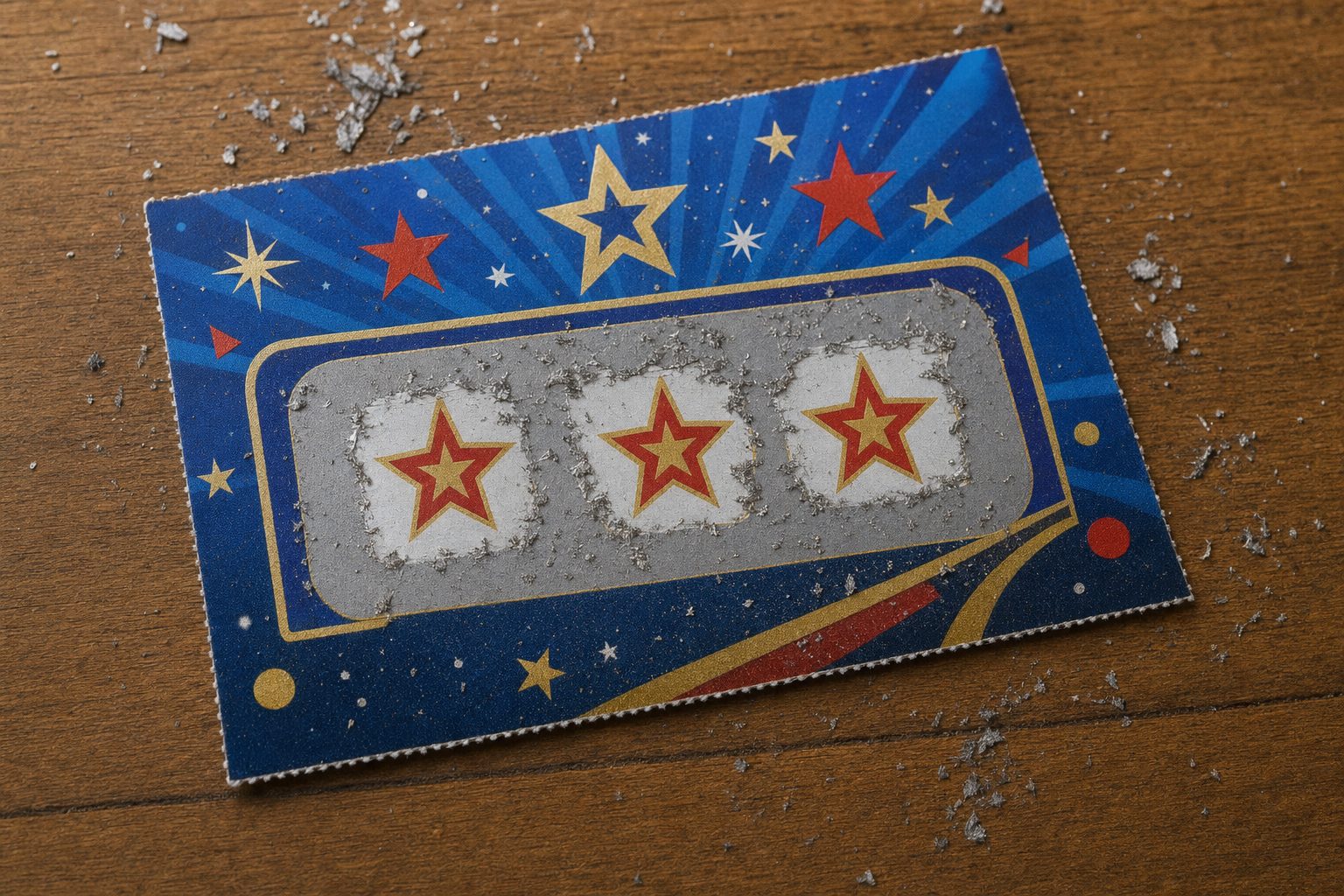
Once the panels are clear, the game tells you the outcome directly — either a prize amount if you've matched a winning combination, or a plain "no win" state if you haven't. There's no ambiguity to interpret and nothing further to do beyond starting a new card if you choose to. That immediacy is the format's defining feature: compare it to a bet on a future sports result, where you might wait hours or days to know the outcome, versus a scratch card's few seconds from stake to result.
That speed is exactly why scratch cards suit a quick, low-commitment session better than a format with a longer build-up — there's nothing to track between buying in and knowing the result, which some players find more relaxing and others find less engaging. Neither reaction is wrong; it's just a genuine difference in what the format offers compared to a slot's spinning reels or a sports bet's waiting period. Knowing which style suits you is worth figuring out early, before you decide where to spend any real budget.
Straight answers
Is the outcome decided before or during the scratch?
Before. For a physical card, the result was fixed when it was printed. For an online card, the RNG generates the result when the round starts — the swipe or tap animation is just the reveal, not the decision.
How old do you have to be to buy a scratch card?
18 or over, for both formats. UK retailers can ask for ID before selling a physical card, and every licensed online casino verifies your age before you can stake real money on a digital one.
How much do scratch cards cost?
It depends on the format and the specific card. National Lottery paper tickets typically run from £1 up to £10 depending on the game, while online cards let you set your own stake per play, often starting from as little as 10p.
How do I check if I've won on a scratch card?
On a physical card, match the revealed symbols against the printed rules yourself, or take it to a retailer to scan — the terminal confirms instantly. On an online card, the result appears on screen the moment the reveal animation finishes; there's nothing extra to check.
Do online scratch cards need an internet connection the whole time?
Yes — they're server-side games hosted by the casino or its game provider, so you'll need a stable connection to load and play them, same as any other online casino game.
What's the difference between a scratch card and a slot?
A slot spins reels with many possible stopping positions per spin. A scratch card reveals a fixed layout in one go — there's no spinning animation to wait through, just an instant match-or-not result.
Please gamble responsibly. GambleAware.org 18+